On-grid/off-grid solar system
Solar Incentives: 2021 Is the Best Year For Government Rebates, Credits, and Exemptions
Let us show You! The Technology and benefits
Innovation, Flexibility, Quality, Customer Trust, and Fair Priceing
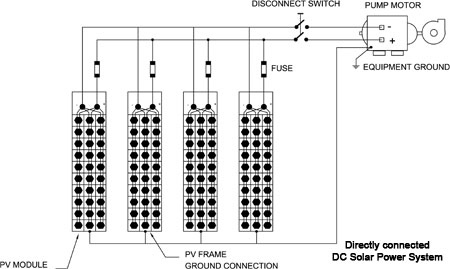
Off-Grid directly connected dc SPS
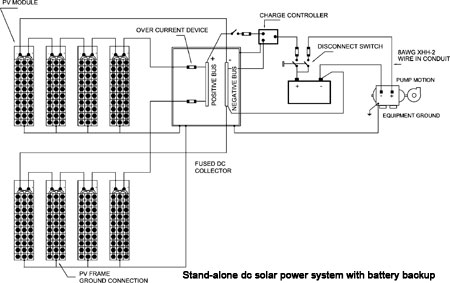
Off-Grid Stand-alone dc SPS with battery backup
Green Notions market and install five types of Solar Power Systems (SPS) of which the first four types fit in Off-grid category and the fourth On-grid category, the five categories are as follows:
- Off-Grid System – directly connected dc solar power system (SPS)
- Off-Grid System – stand-alone dc solar power system (SPS) with battery backup
- Off-Grid System – stand-alone hybrid solar power system (SPS) with generator and battery backup
- Off-Grid System – stand-alone solar power system (SPS) with or without battery backup for Electric Vehicle (EV) chargers (includes: chargers in individual in garage or charger stations commercially). NEW
- On-Grid System-connected solar power and Grid/GenSet with battery. The advantage of this system are as follows:
- Grid tie PV systems offer the advantage of unlimited utility power when you need it.
- You can also sell your extra energy back to the grid. Connecting to the grid is an essential aspect of lowering the cost of your system.
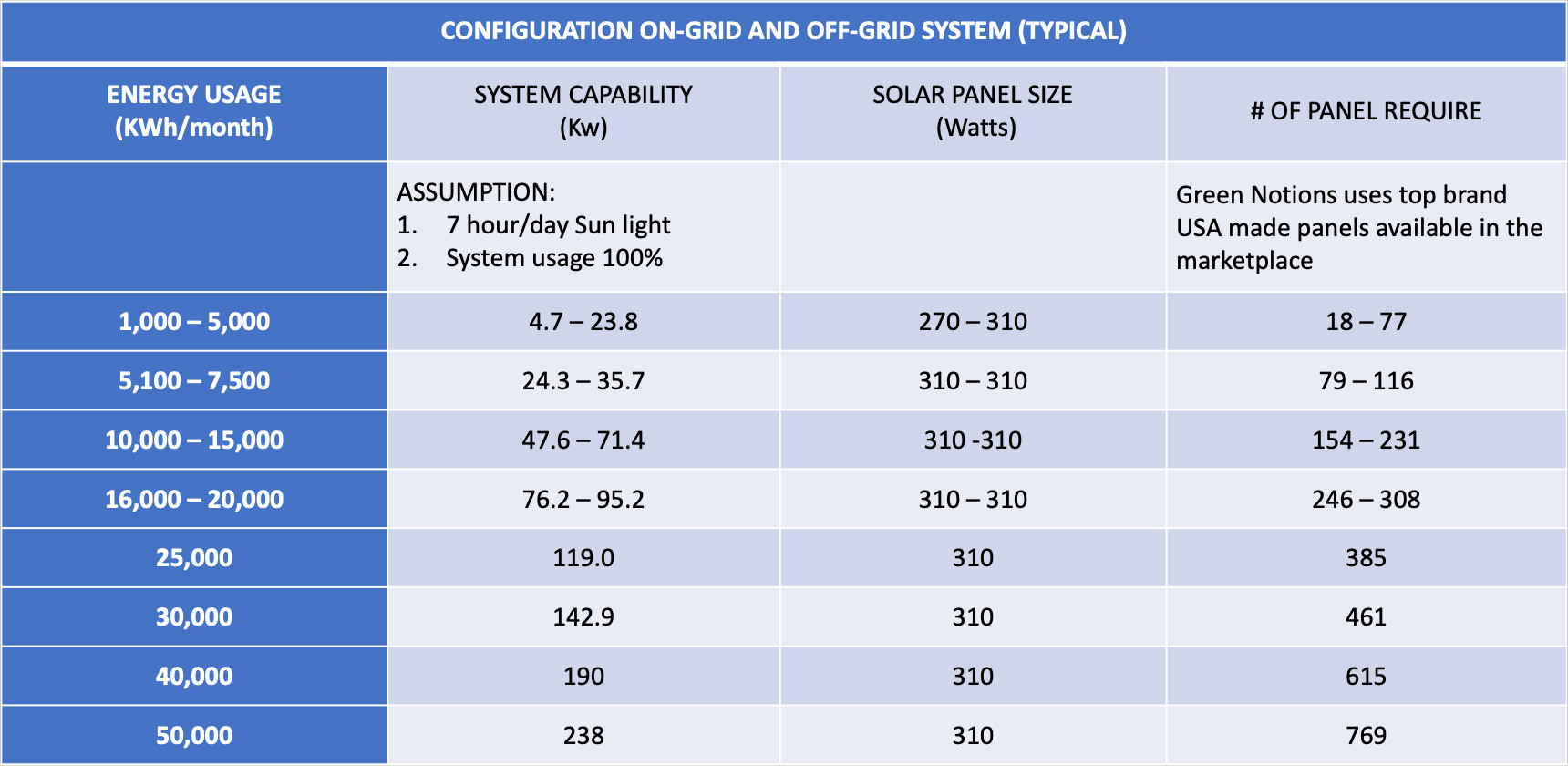
Configuration on-grid/off-grid
These figures shown above are the few for the example based on complete solar power systems. Green Notions system package will include Panels, inverter, charge controller, other components for the system and racking. Batteries can be included in the package on request. The following Items will be charge separately including: freight, tax, and/or installation charges.
GREEN NOTIONS SOLAR SYSTEMS FOR HOMES AND BUSINESSES IN 5 SIMPLE STEPS (TYPICAL)
Adding solar panels to your home or business is simple with Green Notions. Get added peace of mind and custom-designed your solar system to maximize your investment.
Step 1: Request a FREE solar consultation from Green Notions
Step 2: Green Notions experience partner engineers will custom-design your solar system based on your energy needs and how much you want to reduce your electric bill.
Step 3: Your installer will install your solar system, schedule, and coordinate all necessary inspections required
Step 4: Your installer will work with the utility company to connect your solar system to the grid
Step 5: Start enjoying immediate savings!